HVAC tariff exposure has turned into one of the fastest-moving risk lines on a procurement dashboard in 2026. The short answer: layered Section 232 tariffs, country-specific duties on China, Mexico, Vietnam, Japan, and Thailand, and a mandatory refrigerant transition are stacking on top of each other, and most procurement teams are still pricing this as a cost problem rather than a supplier risk problem.
That distinction matters. A tariff increase is a line-item hit. A supplier who cannot absorb that hit and quietly slides toward financial distress is a continuity problem that shows up months later as a missed shipment.
Tariffs Are Stacking Twice on the Same HVAC Unit
HVAC equipment prices have risen 15% to 30% since mid-2025, driven by layered tariffs on steel, aluminum, and imported components from China (145%), Mexico (25%), Vietnam (nearly 50%), Japan (24%), and Thailand (36%), according to an analysis from Facilities News. Pre-tariff inventory has been exhausted industry-wide, meaning every unit purchased today carries the full tariff-adjusted cost.
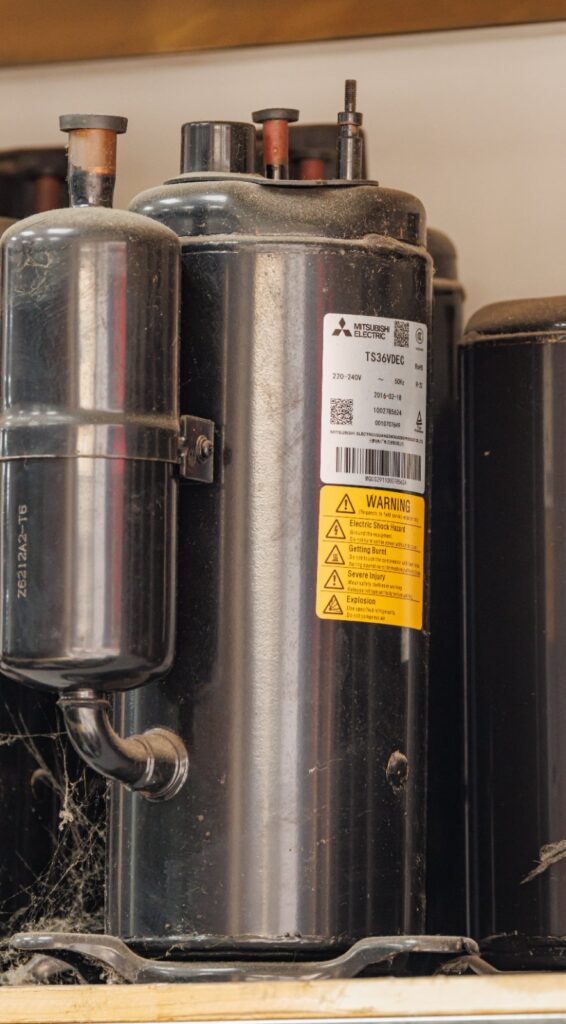
The compounding effect is the part most procurement teams underestimate. A heat pump assembled in Mexico using Chinese-sourced compressors can be taxed twice before it reaches a loading dock: once on the imported components, again on the finished unit at the border. The same Facilities News analysis cites ACHR News data showing the U.S. imported more than $10 billion in HVACR and commercial refrigeration equipment from Mexico alone last year, with another $5 billion from China and $1.5 billion from Thailand. No major manufacturer, including Carrier, Daikin, Lennox, Trane, or Rheem, is fully insulated from that exposure.
Some relief has arrived. On June 3, 2026, a presidential proclamation lowered the Section 232 tariff rate on covered HVAC-related derivative products from 25% to 15%, effective June 8, according to ACHR News. The Heating, Air-conditioning & Refrigeration Distributors International trade group estimates the adjustment will help consumers keep nearly $2.3 billion that would otherwise have gone to price increases. But the broader tariff landscape remains unsettled: a federal appeals court has paused a ruling that struck down a separate set of 10% global tariffs after the Supreme Court found the administration’s “Liberation Day” tariffs exceeded its authority. Rates can move again with little notice.
Manufacturers Are Already Passing Costs Down the Chain
The pass-through is not hypothetical. ACHR News tracked more than a dozen HVACR manufacturers announcing July 2026 price increases, ranging from item-specific adjustments to double-digit hikes: JB Industries raised vacuum pump oil prices 10%, Tutco increased 10%, Duravent Group raised prices 7% across its portfolio, and Fujitsu, Quietflex, and Centrotherm each announced increases in the 6% to 8% range, per the ACHR News price increase list.
Layered on top of tariff exposure is the refrigerant transition mandated by the American Innovation and Manufacturing Act of 2020. The EPA published a final rule, effective July 27, 2026, allowing continued installation of existing R-410A HVAC units manufactured before January 1, 2025, until supplies run out, according to the Federal Register. R-410A production is scheduled to decline year over year to just 15% of current output by 2036, per NAHB’s summary of the rule. Suppliers still tooling up for A2L refrigerants like R-454B are absorbing re-engineering costs for cabinets, coils, and mandatory leak-detection systems at the same time they are absorbing tariff costs. That is two simultaneous cost shocks hitting the same supplier balance sheet.
What Continuous Monitoring Looks Like for HVAC Procurement
A tariff schedule tells you what a component costs today. It does not tell you which of your compressor, control board, or heat exchanger suppliers are burning cash reserves to stay price-competitive while absorbing 15% to 30% higher input costs. Quarterly supplier reviews are already stale by the time tariff rates shift again, and traffic-light risk scores do not translate a 15% cost shock into the dollar exposure sitting on a specific contract.
Chain Verity (chainverity.ai) was built for exactly this gap. Instead of a quarterly snapshot, Chain Verity monitors more than 200 financial signals per supplier in real time, extending visibility down to tier 2 and tier 3 sources where single-source compressor and control-board dependencies actually live. Rather than a red, yellow, or green label, it quantifies working capital at risk in actual dollars, so a CPO can see which contracts carry the most exposure before the next tariff proclamation or price increase lands. Explore how real-time monitoring works, or see how HVAC and manufacturing procurement teams are already using it as a design partner.
Tariff exposure in HVAC is no longer a pricing footnote. It is a supplier continuity risk that compounds with every trade policy shift and every refrigerant deadline.
Frequently Asked Questions
Q: How much have tariffs raised HVAC equipment costs in 2026?
A: HVAC equipment prices have risen 15% to 30% since mid-2025 due to layered Section 232 and country-specific tariffs, according to Facilities News. Costs vary by component origin and product tier.
Q: Did the June 2026 tariff change actually lower HVAC costs?
A: Yes, for covered residential-use HVAC derivative products. The Section 232 rate dropped from 25% to 15% effective June 8, 2026, which HARDI estimates will preserve nearly $2.3 billion in consumer savings, per ACHR News. Broader global tariff rates remain legally unsettled.
Q: Why does the refrigerant transition add supply chain risk on top of tariffs?
A: The AIM Act phase-down of R-410A is pushing suppliers to re-engineer units for A2L refrigerants like R-454B while they are simultaneously absorbing tariff-driven cost increases, per the EPA’s final rule. Suppliers facing both pressures at once are more likely to show financial strain.
Q: What should procurement teams do to manage HVAC tariff exposure?
A: Move from quarterly supplier reviews to continuous, real-time monitoring of supplier financial health, including tier 2 and tier 3 sources, and quantify exposure in dollars rather than qualitative risk ratings. Platforms like Chain Verity are built specifically for this shift.
