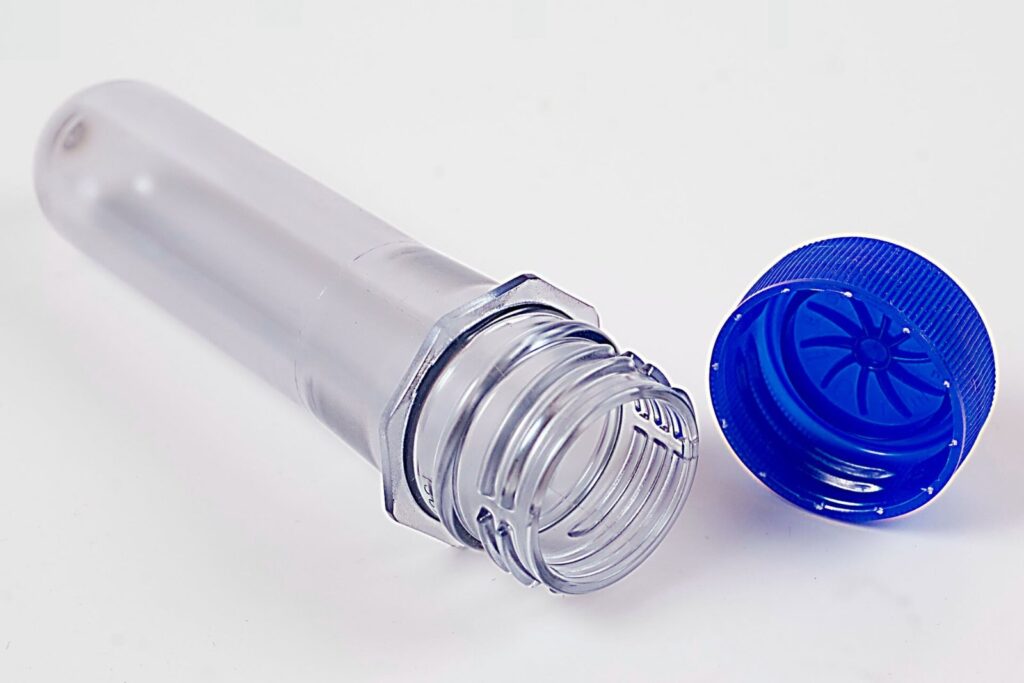
For consumer goods manufacturers, tier 2 supplier visibility is no longer a nice-to-have. Your bottle, film, and closure converters are tier 1, and most of them look stable on paper. The resin producers, crackers, and additive suppliers behind them are tier 2 and tier 3, and that is where 2026’s packaging disruption is actually starting.
The short answer: map every packaging SKU to its resin and substrate source, monitor those sub-tier suppliers continuously, and act on concentration before a converter announces an allocation or surcharge. Waiting for your tier-1 vendor to tell you is how you learn last.
Why Tier 2 Supplier Visibility Breaks Down in Consumer Goods Packaging
Consumer goods packaging looks diversified at tier 1: two bottle converters, three film suppliers, two closure makers. Trace one level down and many of them draw on the same handful of polyethylene, polypropylene, and PET resin producers, running on the same feedstock.
That shared dependency is what made this year’s naphtha squeeze so damaging. When conflict in the Middle East effectively closed the Strait of Hormuz, a Korea Federation of Plastics Industry Cooperatives survey found that over 70% of plastics companies had received notices of potential reductions or suspensions in synthetic resin shipments, and 92% had been told raw material prices were rising. In Europe, a German Association of Plastics Processors survey found 99% of packaging manufacturers facing supplier price increases, with only a few able to pass them on. Some Asian producers went further and declared force majeure on resin supply.
Notice where the pain lands: on converters who cannot pass costs on. That is a tier-1 financial distress signal created entirely by tier-2 conditions.
Sub-Tier Supplier Risk Management: The Evidence Is Already in the Earnings Calls
The cost wave is now showing up in consumer brands’ results. On October 1, McCormick raised its fiscal 2026 inflation forecast to as much as 7%, citing higher freight, logistics, packaging, and input costs, and said it expects inflation to continue into fiscal 2027. In the same report, Lamb Weston described packaging among the costs that increased substantially in its latest quarter, and Conagra guided full-year inflation toward 6%.
Switching is not a quick fix. Consumer brands and packaging makers told Packaging Dive that some materials are not made domestically at all, and any material change requires testing that can outlast the disruption itself.
If you only learn about a resin allocation when your converter’s surcharge letter arrives, you have already lost the quarter.
How to Monitor Tier 2 Suppliers and Act Before the Disruption
Continuous monitoring is the baseline, not the finish line. Chain Verity is built to turn sub-tier risk signals into specific procurement actions. Here is what that looks like for a consumer goods packaging portfolio.
Map exposure in dollars, not colors
Chain Verity links each packaging SKU to its converter and the resin producers behind it, tracking 200+ financial signals per supplier in real time. Instead of a red flag, you see the working capital at risk if a resin source goes on allocation for 60 days.
Get specific avoidance triggers
When signals cluster, such as a converter’s payables stretching while its main resin producer cuts cracker runs, Chain Verity recommends concrete next steps:
- Diversify on a timeline: qualify a second converter on a different resin source, starting with the highest-revenue SKUs.
- Trigger dual-sourcing early: start line trials now, because packaging changes need testing time you will not have mid-shortage.
- Engage at-risk converters first: discuss their resin coverage and liquidity before they ask you for price relief.
Restructure contracts before renewal
Live sub-tier data also tells you which converter clauses to revisit:
- Exclusivity: loosen it where the converter depends on one resin producer.
- Minimum volume commitments: add flex bands so you are not locked into a supplier on allocation.
- Pricing indexation: tie resin pass-through to a published index with caps and floors.
- Audit and reporting rights: require disclosure of resin sources and notice of upstream allocations.
- Termination and step-in triggers: let a resin producer’s force majeure release volume without penalty.
Teams that want to test this approach on their own packaging base can apply to become a Chain Verity design partner.
Frequently Asked Questions
Q: What is tier 2 supplier visibility in consumer goods packaging?
A: It is the ability to see the suppliers behind your direct packaging vendors, such as the resin, film, and additive producers feeding your bottle and film converters. Much of 2026’s packaging disruption started at this level, so visibility that stops at tier 1 misses the earliest warning signs.
Q: How do you monitor tier 2 suppliers without direct contracts?
A: Require tier-1 converters to disclose their resin and substrate sources, then track those producers’ financials, capacity changes, and force majeure notices. Chain Verity automates this and ties sub-tier signals back to your SKUs and spend.
Q: Which contract clauses matter most for packaging sub-tier risk?
A: Pricing indexation, minimum volume commitments, and exclusivity carry the most direct exposure during a resin shortage. Audit and reporting rights and step-in triggers tied to upstream events give you the information and flexibility to act before your supply is cut.
Q: How early should consumer goods teams start dual-sourcing packaging?
A: Before the shortage, not during it. Packaging changes require plant and distribution testing, so start qualification as soon as sub-tier signals show concentration or financial stress.
