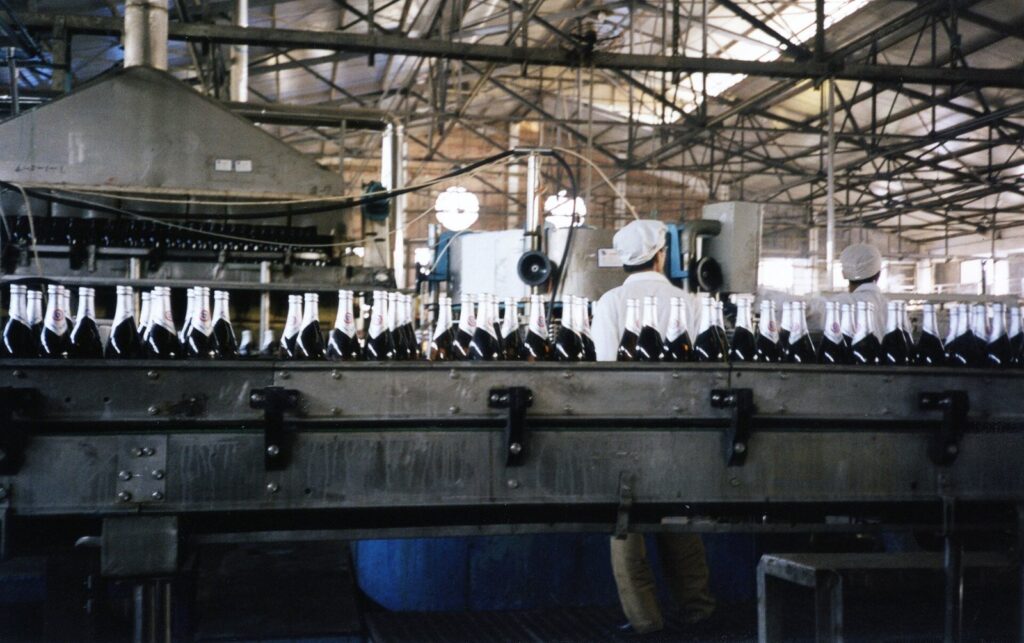
Geopolitical supply chain risk used to mean coffee, cocoa and spice contracts for food and beverage procurement teams. In 2026 it is arriving through inputs most teams never mapped: the CO2 on a carbonation line, the fertilizer behind a sugar or corn contract, the freight lane behind a packaging supplier. The short answer to how it reaches a manufacturer: through tier 2 and tier 3 suppliers whose own inputs pass through a few chokepoints, long before any tier-1 supplier sends a force majeure notice.
The IFDC Fertilizer Crisis Response Bulletin published September 22 reports that fertilizer shipments out of the Strait of Hormuz remain effectively at a standstill, and that on September 14 Houthi forces seized islands near the Bab al-Mandeb Strait, pressuring the main alternate route through the Red Sea. Two chokepoints are now in play at once.
Where Geopolitical Supply Chain Risk Enters a Food and Beverage Plant
Carbon dioxide. Food-grade CO2 is mostly a byproduct of ammonia and fertilizer production. Food Ingredients First reported that reduced ammonia output, driven by high gas prices and plant shutdowns, has tightened CO2 supply for brewers and soft drink makers, with Middle East shipping risk adding pressure. A carbonation line can be one fertilizer plant outage away from a stoppage.
Agricultural inputs. The FAO Food Price Index averaged 133.3 points in August 2026, up 1.9% from July. Sugar jumped 11.9% in a single month, and FAO cited Hormuz-related input concerns as added support for maize. FAO also documented a 20-25% fall in global fertilizer trade volumes in early 2026, and farmers are cutting application rates. Those decisions shape the next harvest, and the next contract price.
Packaging and freight. Teneo’s analysis found the conflict is reaching U.S. food and beverage less through direct trade and more through inflation in transportation, packaging and energy-linked inputs.
Geographic Concentration Supply Chain Risk Is the Real Exposure
The common thread is geographic concentration supply chain risk. The World Bank notes the Middle East accounts for nearly one-quarter of global urea exports, and urea prices climbed 80% between February and April after the strait closed.
Confidence is slipping. The Willis Global Food, Beverage and Agriculture Risk Report 2026 found 44% of companies are concerned about supply chain risk, and only 62% feel in control of their risks, down from 89% in 2023. Supply chain tariff impact on procurement now stacks on top of freight and energy costs rather than replacing them.
Your tier-1 supplier list can look diversified while every one of them depends on the same waterway.
What Good Looks Like: Acting on the Exposure
Tracking Hormuz headlines does not protect a bottling line. Chain Verity maps tier 1, 2 and 3 exposure, quantifies working capital at risk in dollars, and turns live signals into specific recommendations:
- Diversification triggers. If a CO2 supplier’s volume traces back to one or two gas-exposed ammonia plants, Chain Verity recommends qualifying a second source, such as captured fermentation CO2 or a different feedstock, before the next demand peak.
- Contingency timing. When freight-lane risk rises on a packaging supplier’s inbound materials, it recommends when to build safety stock or activate dual sourcing, based on lead times and the supplier’s financial trajectory.
- Early engagement. Real-time financial monitoring surfaces payment stretching at thin-margin ingredient processors, so teams can act before allocation is rationed.
It also flags which contract clauses to revisit before renewal:
- Pricing indexation: tie sugar, corn or CO2 pricing to a published index with caps and collars.
- Minimum volume commitments: reduce take-or-pay volumes with suppliers whose inputs concentrate in one chokepoint region.
- Exclusivity: loosen exclusive terms where the supplier has no second source for critical inputs.
- Audit and reporting rights: require sub-tier origin disclosure for CO2, sweeteners and packaging substrates.
- Force majeure and step-in triggers: define what a chokepoint closure means, and when volume can shift without penalty.
Renegotiate from data while you still have leverage. Teams can test this on their own supplier base through the Chain Verity design partner program.
Frequently Asked Questions
Q: What is geopolitical supply chain risk in food and beverage?
A: It is the exposure a manufacturer carries when conflicts, trade policy or chokepoint closures disrupt the inputs its suppliers depend on. In 2026 the main channels are fertilizer, food-grade CO2, packaging and freight. Most of it sits at tier 2 and tier 3.
Q: Why is CO2 a geopolitical risk for beverage makers?
A: Most food-grade CO2 is recovered from ammonia and fertilizer production, which depends on natural gas. When gas prices spike or fertilizer plants cut output, CO2 supply tightens.
Q: How do you measure geographic concentration supply chain risk?
A: Map each critical input back to the regions and routes its sub-tier suppliers rely on, then calculate how much spend and working capital passes through each. A large share through one chokepoint is concentration risk, however many tier-1 suppliers you use.
Q: Which contract terms should food and beverage buyers revisit first?
A: Start with pricing indexation and force majeure definitions for inputs tied to fertilizer, energy and freight. Then review volume commitments and exclusivity with single-source suppliers.
