Sub-tier supplier risk management is now the difference between a medical device maker that sees a shortage coming and one that reads about it on the FDA’s website. In the FDA’s October 26, 2026 update to the Medical Device Shortages List, every one of the six device categories currently in shortage gives the same reason for interruption: a shortage or discontinuance of a component, part or accessory.
The short answer for procurement leaders: the failure point is rarely your tier-1 contract manufacturer. It sits one or two layers down, in a material, a sterile fluid or a sub-assembly your tier-1 buys from a company you have never qualified or monitored. Tier 2 supplier visibility, combined with live financial and regulatory signals on those sub-tier firms, is how medtech teams get months of warning instead of days.
Why Tier-1 Audits Miss Medical Device Shortages
The October 26 update added implantable gastric electrical stimulation systems (product code LNQ), with the shortage estimated to last through Q4 2027. Breast biopsy needles, oxygenators and vessel harvesting systems remain listed through Q1 2027, all for component reasons.
The discontinuance list shows the same pattern. SunMed’s AirLife FloCap was discontinued after a supplier discontinued a required component material with no alternative source.
None of this shows up on a tier-1 scorecard. The finished-device maker can look healthy right up until a material supplier two tiers down exits.
A medical device is only as available as its least visible component.
How Sub-Tier Supplier Risk Travels: The Huons Saline Recall
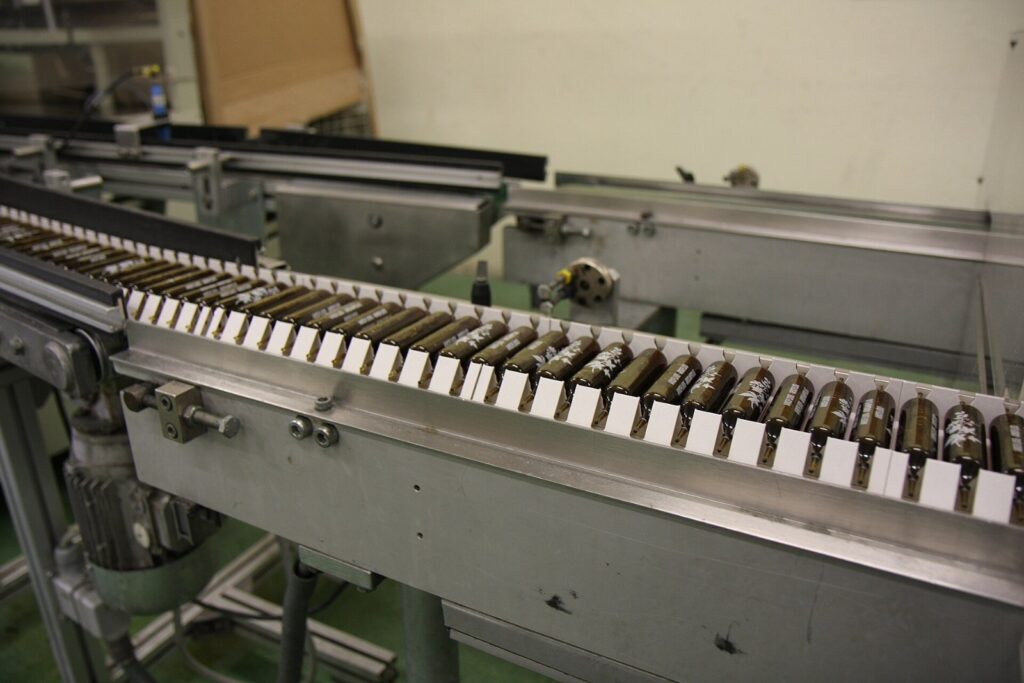
The clearest 2026 example is the saline ampule problem traced to Huons Co., Ltd. In Class 1 recall Z-2873-2026, Spectra Medical Devices recalled 10 mL sodium chloride ampules after Huons was cited for product quality and sterility assurance issues. The ampules had no individual UDI because they were used only inside convenience kits.
Then the risk multiplied. Becton Dickinson warned customers that certain kits and procedure trays might contain the recalled ampules, and the FDA issued an early alert on the BD convenience kits on August 18 (Oncology Nursing Society summary).
A buyer’s approved supplier list showed the kit assembler, not the ampule maker. That gap is what sub-tier supplier risk management exists to close.
The signals that show up first at tier 2 and tier 3
- Regulatory actions at sub-tier sites: FDA citations, warning letters and recalls on component or material makers
- Discontinuance notices for specialty materials, resins and sensor inputs
- Financial strain: falling liquidity, lengthening payables, covenant pressure or ownership changes
- Concentration: one sub-tier source feeding several of your tier-1 suppliers at once
What Good Looks Like: From Tier 2 Supplier Visibility to Action
Monitoring alone does not fix this. Chain Verity maps tier 1, 2 and 3 suppliers, tracks 200+ signals per supplier, and states exposure as working capital at risk in dollars. Then it turns that data into recommendations (see real-time monitoring).
Avoiding the disruption. When a sub-tier source shows deteriorating signals and your bill of materials has one validated path, Chain Verity flags that SKU for second-source qualification now, timed to your validation lead time. It also recommends when to place a last-time-buy or safety-stock order and when to engage your tier-1 on their contingency plan.
Restructuring contracts with tier-1 suppliers. Live sub-tier data also tells you which clauses to revisit before renewal:
- Audit and reporting rights: require disclosure of critical sub-tier sources and advance notice of any sub-tier change, recall or discontinuance
- Exclusivity: add carve-outs that let you qualify a second source if a critical sub-tier input becomes constrained
- Minimum volume commitments: build in relief when supply is limited by a sub-tier event outside your control
- Pricing indexation: tie material-driven price changes to a published index rather than open-ended pass-throughs
- Termination and step-in triggers: link them to a Class 1 recall or material discontinuance at a disclosed sub-tier supplier, with a defined last-time-buy notice period
The goal: a tier-2 failure becomes a planned transition, not a shortage listing. Medtech teams can apply for early access as a design partner.
Frequently Asked Questions
Q: What is sub-tier supplier risk management in medical devices?
A: It is identifying and monitoring the suppliers behind your tier-1 suppliers, such as material and component makers, and acting on their risk signals before they reach your product. It matters because the FDA attributes every current device shortage to a component, part or accessory problem.
Q: How do you monitor tier 2 suppliers when you have no contract with them?
A: Start by requiring tier-1 suppliers to disclose critical sub-tier sources, then monitor those firms through public financial data, FDA recall and enforcement databases, and discontinuance notices. A platform like Chain Verity automates that mapping and scoring so the signals arrive continuously rather than at the next quarterly review.
Q: Why does tier 2 supplier visibility matter for recall exposure?
A: Sub-tier components are often invisible in your own records. In the 2026 Huons saline recall, the ampules carried no individual UDI and reached hospitals inside other companies’ convenience kits, so exposure only became clear after the recall cascaded.
Q: Which contract clauses reduce sub-tier risk at renewal?
A: Sub-tier disclosure and change-notification rights, exclusivity carve-outs for second sourcing, volume relief tied to supply events, index-based pricing, and step-in triggers linked to sub-tier recalls. Renewal is when you have the leverage to add them.
